Discovering The Eye Chart A10: Your Vision's Best Friend
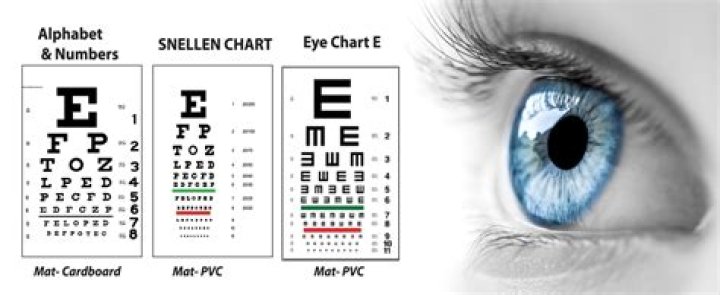
The importance of vision cannot be overstated, as it plays a crucial role in our everyday lives. A simple and effective way to assess one's eyesight is through the use of an eye chart, and one of the most popular charts utilized in eye examinations is the Eye Chart A10. This chart has gained recognition among optometrists and eye care professionals for its ability to provide accurate measurements of visual acuity. Understanding the Eye Chart A10 can empower individuals to take charge of their eye health while making informed decisions about vision correction.
Vision testing is a routine part of healthcare that many individuals may overlook. It is essential to recognize that early detection of vision problems can lead to timely interventions, preventing further complications. The Eye Chart A10 serves as a reliable tool in this process, offering a structured assessment of visual clarity. By familiarizing oneself with this chart and its unique features, patients can better engage with eye care professionals regarding their vision needs.
In this article, we will delve deeper into the Eye Chart A10, exploring its design, purpose, and significance in the field of optometry. Additionally, we will address common questions surrounding its use and effectiveness, ensuring that readers walk away with a comprehensive understanding of this essential eye examination tool.
What is the Eye Chart A10?
The Eye Chart A10 is a standardized visual acuity test used to determine a person's ability to see at various distances. It is designed to be used in clinical settings and is composed of letters or symbols arranged in rows of decreasing size. The chart is typically positioned at a distance of 20 feet from the patient to accurately gauge visual clarity. The primary goal of the Eye Chart A10 is to identify any potential vision impairments and to monitor changes in visual acuity over time.
How Does the Eye Chart A10 Work?
The Eye Chart A10 operates on the principle of measuring how well a person can read letters or symbols at a specified distance. As the patient reads each line of letters, the smallest row they can accurately identify indicates their visual acuity. The results are reported using a fraction, such as 20/20, where the numerator represents the distance at which the test is conducted, and the denominator indicates the smallest line of letters that can be read. This simple yet effective method allows eye care professionals to determine the patient's visual capabilities quickly.
Why is the Eye Chart A10 Important in Eye Care?
The Eye Chart A10 plays a vital role in eye care for several reasons:
- Early Detection: Regular eye exams using the A10 chart can help detect vision problems early on.
- Monitoring Changes: The chart allows for consistent tracking of a patient's visual acuity over time.
- Guiding Treatment: Results from the eye chart can inform decisions regarding corrective lenses or further testing.
- Accessibility: Its straightforward design makes it easy to use in various clinical settings.
Who Can Benefit from the Eye Chart A10?
The Eye Chart A10 is suitable for individuals of all ages, from children to seniors. It is particularly beneficial for those experiencing vision changes, requiring routine eye exams, or needing an updated prescription for glasses or contact lenses. Children can also benefit from regular vision assessments using the chart, as undiagnosed vision problems can impact their academic performance and overall development.
Are There Variations of the Eye Chart A10?
Yes, there are several variations of eye charts, including the Snellen chart and the LogMAR chart. Each of these charts has its unique features, but the Eye Chart A10 is distinguished by its format and ease of use. The A10 design allows for a more standardized assessment, making it a preferred choice for many optometrists and ophthalmologists.
How Often Should You Use the Eye Chart A10?
It is recommended to undergo a comprehensive eye exam every one to two years, depending on your age and risk factors for vision problems. For individuals with known eye conditions or those experiencing changes in vision, more frequent testing may be necessary. Using the Eye Chart A10 during these exams ensures that any potential issues are identified promptly.
What Are Common Misconceptions About the Eye Chart A10?
Several misconceptions surrounding the Eye Chart A10 can lead to confusion regarding its use and effectiveness:
- Misconception 1: The A10 chart can replace a comprehensive eye exam. (False: The chart is a tool used during exams but does not replace the need for a full evaluation.)
- Misconception 2: Anyone can accurately assess their vision using the chart at home. (False: Proper testing requires a controlled environment and professional oversight.)
- Misconception 3: The size of the letters is the only factor in determining visual acuity. (False: Letter spacing, contrast, and other factors also play a role.)
Conclusion: Embracing Eye Health with the Eye Chart A10
In conclusion, the Eye Chart A10 is an invaluable tool in the realm of eye care, providing essential insights into an individual's visual acuity. Understanding its purpose, usage, and significance allows individuals to take proactive steps toward maintaining their eye health. Regular eye examinations using the A10 chart can help detect vision issues early, ensuring that timely interventions are made to preserve and enhance one's eyesight. Embrace the importance of routine eye care and prioritize your vision health by utilizing the Eye Chart A10 as your guide.
Understanding The Dimensions: The Significance Of 5'8 165
The Enigmatic Guy Holding Exit Sign: A Symbol Of Departure And Reflection
Unpacking The Phenomenon Of Grab Memes