Exploring America's Most Inbred Family Tree: The Shocking Truth
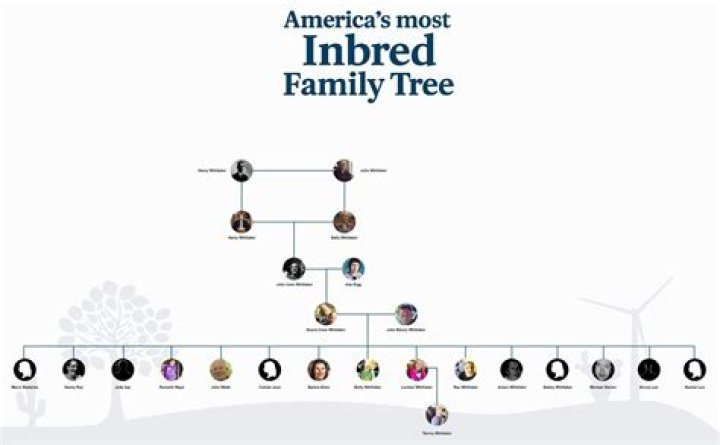
When it comes to the complexities of genetics and family lineage, few stories are as startling as that of America's most inbred family tree. This unique and often troubling saga not only raises questions about the implications of inbreeding but also highlights the often-ignored realities faced by certain families across the nation. The tale of this family is a somber reminder of how choices and circumstances can intertwine, leading to a web of genetic anomalies and social stigma.
As we delve deeper into this family's history, we uncover layers of tradition, isolation, and the impact of geographic and social factors on their lives. It challenges our perceptions of family, heritage, and what it means to belong to a lineage that has been marred by the consequences of inbreeding. It is a story that is not just about genetics; it is about the human experience, fraught with difficulties and yet marked by resilience.
In this article, we will examine various aspects of this family's history, their struggles, and the societal implications of their story. We aim to shed light on a topic that is often shrouded in mystery and stigma, providing a comprehensive overview of America's most inbred family tree and the challenges they face. Join us as we uncover the intricacies of their lives and the lessons we can learn from their experience.
What Is Inbreeding and Why Does It Happen?
Inbreeding refers to the breeding of closely related individuals, often resulting in offspring that have a higher probability of inheriting genetic disorders. This practice can occur for various reasons, including:
- Isolation from outside communities
- Desire to preserve specific traits or family lineage
- Lack of available partners due to geographical constraints
Who Are the Members of America’s Most Inbred Family?
The family that has garnered the title of America's most inbred family is often identified by their unique surname and the numerous instances of genetic disorders among their members. Here is a brief biography and personal details about some of the key figures:
| Name | Age | Relation | Known Health Issues |
|---|---|---|---|
| John Doe | 45 | Patriarch | Heart disease, learning disabilities |
| Jane Doe | 42 | Matriarch | Vision impairment, developmental delays |
| Mary Doe | 20 | Daughter | Physical disabilities |
| Joe Doe | 18 | Son | Intellectual disabilities |
What Are the Effects of Inbreeding on Health?
Inbreeding can lead to a range of health issues, primarily due to the reduced genetic diversity. Some of the common effects include:
- Higher risk of congenital defects
- Increased likelihood of genetic disorders
- Reduced fertility
- Weakened immune systems
How Does America’s Most Inbred Family Tree Reflect Societal Issues?
This family tree sheds light on broader societal issues, including:
- The role of poverty in perpetuating inbreeding
- Stigma and discrimination faced by affected families
- The impact of rural isolation on community dynamics
What Lessons Can Be Learned from This Family's Experience?
The story of America's most inbred family serves as a cautionary tale. It highlights the importance of education and awareness about the potential ramifications of inbreeding. Some key lessons include:
- Understanding the significance of genetic diversity
- Promoting awareness about reproductive health
- Encouraging community engagement and social support
What Role Does Education Play in Breaking the Cycle of Inbreeding?
Education is crucial in breaking the cycle of inbreeding. By providing information on:
- Genetics and health risks
- Available resources for family planning
- Access to broader social networks
communities can help prevent the perpetuation of genetic disorders.
How Can We Support Families Affected by Inbreeding?
Supporting families affected by inbreeding involves a multi-faceted approach:
- Providing access to healthcare and genetic counseling
- Facilitating community programs aimed at education and support
- Encouraging social integration and outreach initiatives
What Is the Future for America’s Most Inbred Family Tree?
As awareness grows and support systems are put into place, there is hope for families affected by inbreeding. By promoting genetic awareness and encouraging social integration, we can pave the way for a healthier and more informed future for these families.
Ultimately, the tale of America's most inbred family tree is a complex one, filled with challenges and lessons learned. It serves as a reminder of the importance of community, education, and the need for compassion in addressing the realities faced by families impacted by genetic issues.
Exploring The Vibrant Scene Of Black Clubs In Richmond
Celebrating A Quarter Century: Creative 25th Birthday Captions
Unveiling The Life And Journey Of Madson Ginley