Exploring The Controversial Practice Of Hemorrhoid Piercing
Hemorrhoid piercing might sound like something out of a bizarre medical drama, but it has gained attention in alternative health circles for its purported benefits. This unconventional practice involves piercing the hemorrhoid tissue to alleviate pain and swelling associated with hemorrhoids. Despite its controversial nature, many individuals are seeking relief from the discomfort that hemorrhoids can cause, leading them to explore this unusual method. As we dive deeper into this topic, we’ll uncover the origins, techniques, risks, and potential benefits of hemorrhoid piercing.
For those who suffer from hemorrhoids, the search for relief can lead to various treatments, both traditional and alternative. Hemorrhoids, which are swollen blood vessels in the rectal area, can cause itching, pain, and bleeding. While conventional methods like over-the-counter creams and surgical procedures are widely known, hemorrhoid piercing presents a different approach that is less commonly discussed. In this article, we aim to provide a comprehensive overview of hemorrhoid piercing, addressing its effectiveness and the experiences of those who have tried it.
As we navigate through the complexities of hemorrhoid piercing, it is essential to approach the subject with an open mind while also considering the scientific evidence and expert opinions. Is this practice a legitimate treatment option, or is it merely a fad? Join us as we answer these questions and more, shedding light on a topic that remains shrouded in mystery and intrigue.
What Is Hemorrhoid Piercing?
Hemorrhoid piercing is a practice that involves using a specialized needle to puncture hemorrhoidal tissue. Proponents claim that this procedure can relieve pressure and pain associated with hemorrhoids. The technique, however, is not widely accepted in the medical community, and it raises questions about safety and effectiveness.
How Did Hemorrhoid Piercing Originate?
While the exact origins of hemorrhoid piercing are unclear, it appears to have emerged from traditional practices in various cultures that sought alternative methods for treating hemorrhoids. Ancient medicinal practices often included methods that would be considered unconventional today, leading some to believe that hemorrhoid piercing might have roots in holistic healing traditions.
What Are the Risks Associated with Hemorrhoid Piercing?
As with any medical procedure, hemorrhoid piercing comes with its set of risks. Potential complications include:
- Infection at the piercing site
- Excessive bleeding
- Increased pain or discomfort
- Improper healing leading to further complications
Due to these risks, it’s crucial for individuals considering this method to consult with a healthcare professional before proceeding.
What Are the Benefits of Hemorrhoid Piercing?
Advocates of hemorrhoid piercing often cite several benefits, including:
- Immediate pain relief
- Reduction in swelling
- Minimal recovery time
However, it’s important to note that scientific evidence supporting these claims is limited, and most healthcare professionals recommend traditional treatments instead.
Who Should Consider Hemorrhoid Piercing?
Individuals who have tried conventional treatments without success may be tempted to explore hemorrhoid piercing. However, it is vital for them to consider their overall health, the severity of their condition, and the potential risks involved. Consulting with a healthcare provider is crucial for making an informed decision.
What Do Experts Say About Hemorrhoid Piercing?
Medical professionals generally express skepticism regarding hemorrhoid piercing. Many emphasize that established treatments, such as dietary changes, topical medications, and surgical options, are safer and more effective. Experts warn against unregulated practices and stress the importance of seeking care from licensed practitioners.
Can Hemorrhoid Piercing Be Performed at Home?
Performing hemorrhoid piercing at home is highly discouraged. The risks of infection and improper technique can lead to serious complications. If someone is considering this method, it’s essential to seek a professional who is trained in such procedures.
What Are Alternative Treatments for Hemorrhoids?
For those looking to avoid hemorrhoid piercing, numerous alternative treatments exist, including:
- Over-the-counter topical treatments
- Warm sitz baths
- Dietary changes to increase fiber intake
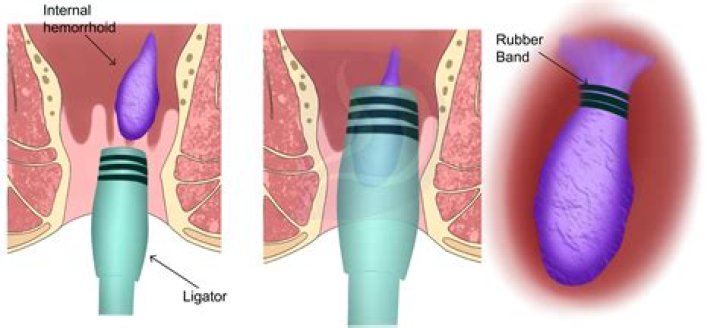
- Minimally invasive procedures such as rubber band ligation
These alternatives are generally considered safer and have a wealth of research backing their effectiveness.
Conclusion: Is Hemorrhoid Piercing Right for You?
In conclusion, hemorrhoid piercing is a controversial and largely unregulated practice that requires careful consideration. While some individuals report positive outcomes, the risks and lack of scientific validation make it a questionable choice for many. Consulting with a healthcare professional is crucial for anyone suffering from hemorrhoids to explore safe and effective treatment options.
Unveiling The Mystery Of Nie Moneyy: A Deep Dive Into The Life Of A Rising Star
Discovering The Essence Of Asian Massage: A Comprehensive Review
Unpacking The Journey Of The Backpack Kid