Exploring The Enigmatic Angel Statues In Russia
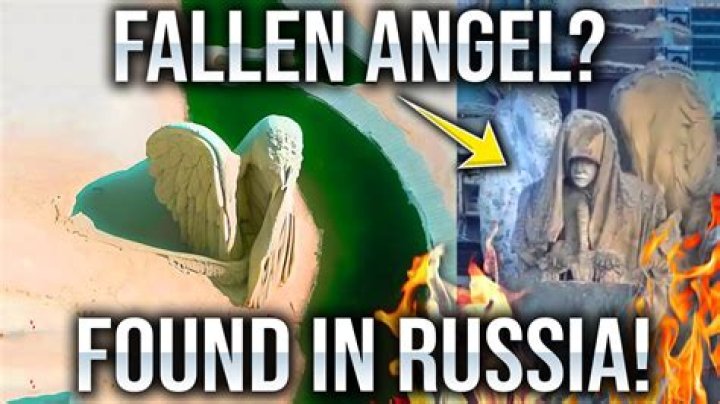
Russia, a land rich in history and culture, is home to a myriad of artistic expressions, one of which is the captivating angel statues that adorn its landscapes. These sculptures, often embodying themes of hope, protection, and spirituality, serve as poignant reminders of the country's deep religious roots and artistic heritage. From grand cathedrals to tranquil parks, angel statues can be found gracing various locations, each telling its own story and reflecting the diverse influences that have shaped Russian art over the centuries.
As we delve into the enchanting world of angel statues in Russia, we uncover not only their artistic significance but also the historical and cultural narratives they embody. These statues often symbolize divine guidance and protection, serving as beacons of hope for many. Whether nestled in the heart of bustling cities or standing sentinel in serene parks, angel statues invite contemplation and reverence, making them a central feature of Russian public art.
The fascination with angel statues extends beyond their aesthetic appeal; they evoke a sense of wonder and curiosity. Why are these figures so prominent in Russian culture? What stories do they tell? And how do they connect with the spiritual landscape of the nation? This article aims to explore these questions, shedding light on the angel statues in Russia, their significance, and their impact on both locals and visitors alike.
What is the Historical Background of Angel Statues in Russia?
Angel statues in Russia can be traced back to various artistic movements and historical periods, particularly during the expansion of Orthodox Christianity. As the nation embraced Christianity in the 10th century, angelic imagery became increasingly prominent in religious art and architecture.
How Did Russian Orthodox Culture Influence Angel Statues?
The Russian Orthodox Church played a pivotal role in shaping the cultural landscape of the country, and angels were often depicted as messengers of God, protectors, and guides for the faithful. This religious context laid the groundwork for the proliferation of angel statues throughout Russia.
Where Can You Find Iconic Angel Statues in Russia?
Angel statues can be found in numerous locations across Russia. Some of the most notable sites include:
- The Church of the Savior on Spilled Blood in St. Petersburg, featuring stunning mosaics that depict angels.
- The Alexander Nevsky Monastery in St. Petersburg, which boasts several angel sculptures on its grounds.
- Victory Park in Moscow, where a prominent angel statue honors the fallen soldiers of World War II.
- Various parks and gardens throughout major cities, where smaller angel statues provide a serene atmosphere.
What Materials Are Commonly Used for Angel Statues in Russia?
Angel statues in Russia are crafted from a variety of materials, each chosen for its durability and aesthetic qualities. Common materials include:
- Bronze - Known for its strength and resistance to corrosion, bronze is a popular choice for outdoor statues.
- Marble - This classic material conveys elegance and is often used for indoor sculptures.
- Wood - In historical contexts, wooden angel carvings were common, especially in rural areas.
- Concrete - Used for larger installations, concrete allows for intricate designs while remaining cost-effective.
Who Are Some Notable Artists Behind Angel Statues in Russia?
Throughout history, many renowned artists have contributed to the creation of angel statues in Russia. Some notable names include:
- Ivan Martos - A prominent sculptor known for his neoclassical style, creating angel sculptures that embody grace and beauty.
- Stepan Erzia - A Russian sculptor who incorporated elements of modernism into his angel works, reflecting a blend of tradition and innovation.
- Alexander Opekushin - Known for his impressive bronze sculptures, including angel figures that grace public spaces.
How Do Angel Statues Impact Russian Society Today?
Angel statues continue to resonate deeply within Russian society, serving as symbols of hope and resilience. They are often incorporated into memorials and celebrations, fostering a sense of community and shared history. In times of tragedy, these statues serve as focal points for remembrance and reflection.
What Role Do Angel Statues Play in Tourism?
For tourists, angel statues in Russia are not merely artistic landmarks; they embody the spirit of the nation. Visitors are drawn to these statues for their beauty and the stories they tell. They provide opportunities for reflection and connection, allowing tourists to engage with the rich cultural tapestry of Russia.
What’s the Future of Angel Statues in Russia?
As Russia continues to evolve, the role of angel statues may also shift. Contemporary artists are exploring new themes and materials, ensuring that the tradition of angelic sculptures remains relevant. The integration of modern technology and design concepts could lead to innovative interpretations of angel statues, captivating future generations.
In conclusion, the angel statue in Russia is more than just a piece of art; it is a reflection of the nation's history, culture, and spirituality. These statues continue to inspire awe and reverence, serving as reminders of the divine and the enduring human spirit. Whether you are a local or a visitor, the angel statues across Russia offer a unique glimpse into the heart and soul of this remarkable country.
Uncovering The Truth: Did George Foreman Cheat On His Wife?
Eric Cowell's Accident: A Journey Of Resilience And Recovery
Unraveling The Mystery: How Did Aubrigh Wyatt Kill Herself?