Exploring The Fascinating World Of Live NPCs
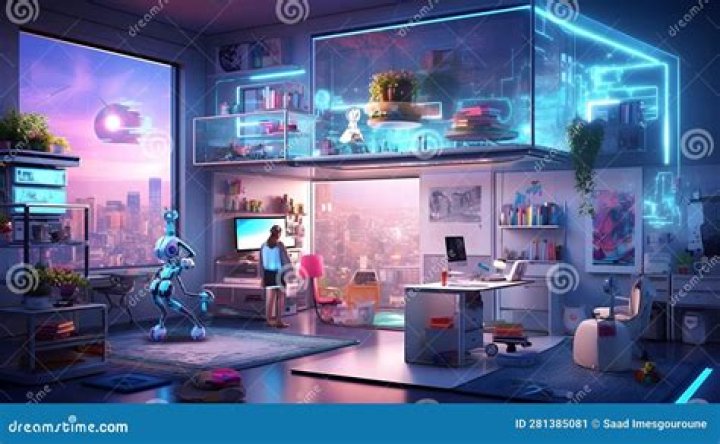
In the realm of gaming and virtual environments, the term 'live NPC' has emerged as a captivating concept that reshapes how players interact with digital characters. Traditionally, NPCs (Non-Player Characters) have operated within a set framework of scripted responses and predetermined paths. However, the advent of advanced artificial intelligence and machine learning techniques has heralded a new era where these characters can adapt, learn, and respond in real-time to player actions. This transformation not only enhances the gaming experience but also blurs the lines between reality and the virtual world.
Imagine stepping into a game world where the NPCs are not just passive background figures but dynamic entities that engage in meaningful conversations, remember past interactions, and evolve based on the player's decisions. The concept of live NPCs opens up a myriad of possibilities, allowing for a more immersive and personalized gaming experience. As technology continues to advance, the future of live NPCs looks promising, with potential applications extending beyond gaming into training simulations, virtual reality, and even social interactions in online environments.
As we delve deeper into the world of live NPCs, we will explore their functionality, the technology behind them, and their impact on the gaming industry. From the implications for game design to the ethical considerations surrounding AI-driven characters, the journey into the realm of live NPCs is both exciting and thought-provoking. Join us as we uncover the layers of this fascinating phenomenon that is set to redefine our understanding of virtual interaction.
What Are Live NPCs?
Live NPCs, or live non-player characters, refer to digital entities within video games or virtual environments that utilize advanced AI algorithms to interact with players in real-time. Unlike traditional NPCs, which follow a set script and behavior model, live NPCs can adapt their responses based on player interactions, creating a more engaging and personalized experience. These characters can learn from each encounter, offering unique conversations and actions that reflect the player's choices, making the gameplay feel more organic and immersive.
How Are Live NPCs Created?
The creation of live NPCs involves several key components:
- Artificial Intelligence: At the core of live NPCs is sophisticated AI that processes player input and generates appropriate responses.
- Machine Learning: Through machine learning techniques, live NPCs can improve their interactions over time, learning from past experiences.
- Natural Language Processing: This technology allows NPCs to understand and respond to player queries in a human-like manner.
- Behavioral Models: Developers design NPCs with complex behavioral models that dictate how they react in various situations.
Why Are Live NPCs Important for Game Development?
Live NPCs play a significant role in enhancing the gaming experience. They provide players with:
- Immersion: The ability to interact with NPCs that respond dynamically creates a more immersive environment.
- Relevance: Player choices become more meaningful as NPCs remember past interactions, affecting future gameplay.
- Engagement: Live NPCs can keep players engaged for longer periods by offering varied and unpredictable interactions.
How Do Live NPCs Impact Player Experience?
The impact of live NPCs on player experience cannot be overstated. Players often seek out games that offer rich narratives and interactive environments. Live NPCs contribute significantly to these elements by:
- Enhancing Storytelling: Players can shape the story through their interactions with NPCs, creating a unique narrative experience.
- Building Relationships: Players can form emotional connections with NPCs, similar to relationships with real people.
- Encouraging Exploration: The unpredictability of live NPCs encourages players to explore the game world more thoroughly.
What Are the Challenges of Implementing Live NPCs?
While the benefits of live NPCs are clear, developers face several challenges in their implementation:
- Complexity: Creating a live NPC that can respond appropriately to a wide range of inputs requires complex programming and resources.
- Cultural Sensitivity: Developers must consider cultural differences and ensure NPCs do not inadvertently offend players.
- Balancing AI Behavior: Striking the right balance between intelligent behavior and unpredictability is essential to maintain player engagement.
Are Live NPCs the Future of Gaming?
The future of gaming appears to be leaning towards the integration of live NPCs, as players increasingly demand more interactive and engaging experiences. As technology continues to evolve, we can expect:
- More Realistic Interactions: Advances in AI will lead to even more lifelike interactions with NPCs.
- Broader Applications: Live NPC technology could extend beyond gaming into fields like education, training, and therapy.
- Customization: Players may be able to customize NPC behaviors and personalities to fit their preferences.
Conclusion: The Evolution of Live NPCs
In conclusion, live NPCs represent a significant evolution in the gaming landscape, offering players a richer and more engaging experience. As technology advances, the potential for even more complex and relatable NPCs will continue to grow. The way players interact with these characters will shape the future of storytelling and gameplay, blurring the lines between the virtual and real worlds. With the promise of live NPCs, gamers can look forward to a more immersive and personalized gaming experience that challenges traditional notions of interaction in virtual spaces. As we continue to explore this fascinating domain, the impact of live NPCs on the gaming industry will be profound, shaping how we think about characters and narratives in digital environments.
Brittney Griner's Bikini Moments: A Splash Of Style And Strength
Discovering Tranquility: The Essence Of Asian Massage In Ocala, FL
Exploring The Mysteries Of Drake's Tomb: A Journey Through Time