Rate The Teacher: A Comprehensive Guide To Evaluating Educators
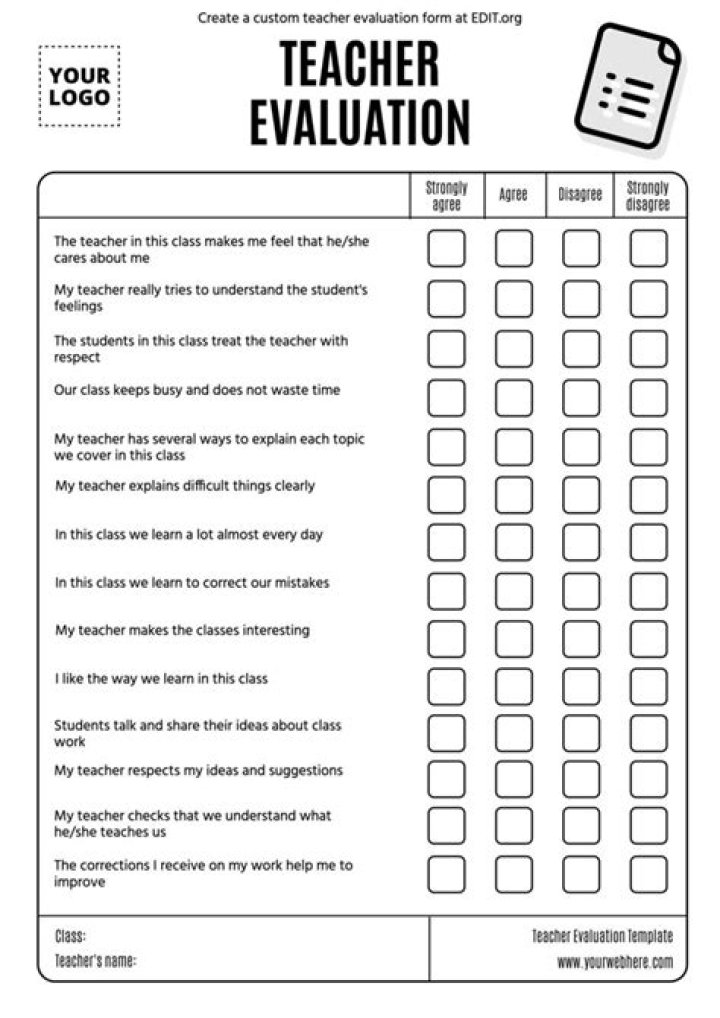
Education is a fundamental pillar of society, and teachers play a pivotal role in shaping the minds of future generations. As students navigate their academic journeys, the impact of their educators becomes increasingly evident. This is where the concept of "rate the teacher" comes into play. It allows students, parents, and educational institutions to assess the effectiveness of teachers, providing valuable feedback that can lead to improved teaching practices and enhanced learning experiences. In this article, we will explore the various dimensions of rating teachers, the importance of feedback, and the impact it can have on both educators and students.
Understanding how to effectively rate teachers involves examining a variety of factors, including teaching methods, classroom management, and student engagement. With the advent of technology, rating systems have evolved, offering platforms for students to voice their opinions about their educators. These platforms not only empower students but also encourage teachers to reflect on their practices and strive for continuous improvement. As we delve deeper into the topic of "rate the teacher," we will uncover the nuances and implications of this evaluation process.
Ultimately, the goal of rating teachers is to foster a culture of accountability and excellence within educational institutions. By creating an environment where constructive feedback is valued, we can enhance the quality of education and ensure that students receive the guidance they need to thrive. In this article, we will address common questions surrounding the concept of rating teachers, explore effective methods for evaluation, and discuss the potential benefits and challenges that arise from this practice.
What is the Purpose of Rating Teachers?
The primary purpose of rating teachers is to gather feedback that can lead to improvements in educational practices. By allowing students to evaluate their teachers, schools can identify strengths and weaknesses within their teaching staff. This process not only promotes accountability among educators but also encourages them to adapt their methods to better meet the needs of their students.
How Does Student Feedback Impact Teaching Quality?
Student feedback plays a crucial role in enhancing teaching quality. When students rate their teachers, they provide insights that can lead to valuable changes in instructional methods. Educators can use this feedback to:
- Identify areas for improvement
- Adapt lesson plans to better engage students
- Foster a more inclusive classroom environment
- Enhance communication and rapport with students
As teachers become more aware of the impact their teaching has on student learning, they are more likely to make adjustments that benefit their students.
What Criteria Should Be Used to Rate Teachers?
When rating teachers, several criteria should be considered to ensure a comprehensive evaluation. These may include:
- Teaching effectiveness
- Classroom management skills
- Ability to engage and motivate students
- Communication skills
- Knowledge of the subject matter
By utilizing a diverse set of criteria, students can provide more accurate ratings that reflect their overall experience in the classroom.
How Can Schools Implement a Teacher Rating System?
Implementing a teacher rating system requires careful planning and consideration. Here are some steps schools can take:
- Establish clear objectives for the rating system
- Develop a user-friendly platform for students to provide feedback
- Communicate the importance of honest and constructive feedback to students
- Ensure anonymity to encourage openness
- Regularly review and analyze feedback to identify trends and areas for improvement
What Are the Benefits of Rating Teachers?
There are several benefits associated with rating teachers, including:
- Enhanced teaching practices
- Improved student satisfaction and engagement
- Increased accountability among educators
- Opportunities for professional development
- Better alignment between teaching methods and student needs
Are There Any Challenges in Rating Teachers?
While rating teachers can be beneficial, it also comes with its challenges. Some potential issues include:
- Bias in student ratings
- Fear of retribution from teachers
- Inconsistent evaluation criteria
- Potential for misuse of feedback
Addressing these challenges is crucial for creating a fair and effective rating system.
Who Are the Key Stakeholders in the Teacher Rating Process?
The teacher rating process involves several key stakeholders, including:
- Students: Their feedback is essential for accurate evaluations.
- Teachers: They play a significant role in the rating process by being open to feedback.
- Administrators: They oversee the implementation and management of the rating system.
- Parents: Their insights can provide additional context to student feedback.
Collaboration among these stakeholders is vital for the success of any teacher rating initiative.
What Steps Can Teachers Take to Improve Their Ratings?
Teachers can take several proactive steps to enhance their ratings, including:
- Seeking feedback from students regularly
- Participating in professional development opportunities
- Collaborating with colleagues to share best practices
- Reflecting on their teaching methods and making necessary adjustments
By actively engaging in self-improvement, teachers can foster a positive learning environment that benefits both themselves and their students.
Conclusion: The Future of Teacher Ratings
In conclusion, the practice of "rate the teacher" holds significant potential for improving educational outcomes. By establishing a culture of feedback and accountability, schools can empower students and educators alike. As we move forward, it is essential to refine the criteria and methods used for rating teachers to ensure that the process is fair, constructive, and ultimately beneficial for all parties involved. Embracing this evaluation process can lead to more effective teaching practices and, consequently, a brighter future for students everywhere.
Sane I Was Sane Once: A Journey Through The Mind
Discovering "Quiero Ver Forno": A Culinary Journey
Exploring Any Other Grand Inquiries: A Journey Of Curiosity And Understanding