The Cubicle: A Space Of Creativity And Productivity
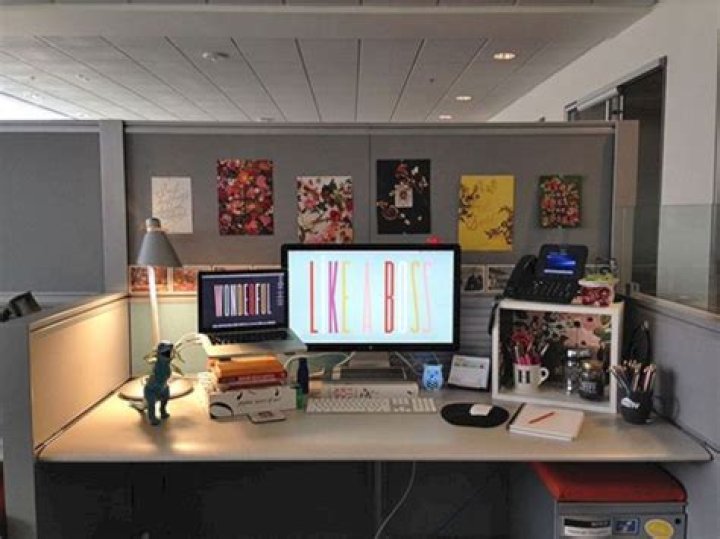
In the modern workplace, the cubicle has become a symbol of both productivity and confinement. This small, segmented space represents a unique blend of organization and isolation, where creativity can flourish but sometimes feels stifled. As we delve into the world of the cubicle, we will explore its history, impact on work culture, and the various ways individuals adapt to and personalize these spaces.
The cubicle, often characterized by its partitioned walls and minimalistic design, has undergone significant transformations since its inception. Originally conceived as a solution to reduce costs in office layouts, it has evolved into a canvas of personal expression for many employees. As we navigate through the intricacies of the cubicle, we will uncover how it shapes our daily routines and influences our interactions with colleagues.
While the cubicle may seem like a mundane aspect of office life, it holds a deeper significance in the realm of work. It is a microcosm of our professional identities and can either enhance or detract from our overall job satisfaction. Join us on this journey as we examine the multifaceted nature of the cubicle and its role in the contemporary workplace.
What is the History of the Cubicle?
The cubicle was first introduced in the 1960s as a way to maximize office space while providing employees with some level of privacy. Designer Robert Propst created the "Action Office" system, which allowed for flexible layouts that could accommodate different work styles. Over time, the cubicle became a staple in corporate America, symbolizing the shift towards a more structured and efficient work environment.
How Has the Cubicle Evolved Over the Years?
Initially designed for functionality, the cubicle has seen a wave of innovation in terms of aesthetics and ergonomics. Modern cubicles now incorporate:
- Adjustable desks
- Soundproof panels
- Integrated technology
- Personalized decorations
This evolution reflects a growing understanding of the importance of comfort and individuality in the workplace, aiming to create an environment that fosters creativity while maintaining productivity.
What Are the Pros and Cons of Working in a Cubicle?
Working in a cubicle has its advantages and disadvantages. Some of the pros include:
- Defined personal workspace
- Reduced distractions from open-office layouts
- Opportunities for personalization
However, there are also cons that should be considered:
- Potential for isolation and lack of collaboration
- Limited natural light and ventilation
- Risk of feeling confined or restricted
How Does the Cubicle Impact Workplace Culture?
The cubicle can significantly influence workplace culture by shaping interactions among employees. It can foster a sense of community or create barriers, depending on how the space is utilized. Open communication and collaboration are essential in overcoming the potential isolation of cubicles and building a cohesive team.
Can Personalization Enhance the Cubicle Experience?
Personalizing a cubicle can transform it from a sterile workspace into a reflection of one's personality. Employees often decorate their cubicles with:
- Photos and memorabilia
- Plants and greenery
- Inspirational quotes
This personalization not only makes the space more inviting but also serves as a reminder of individual achievements and aspirations.
What Are Some Creative Ways to Optimize Your Cubicle Space?
Optimizing a cubicle involves both organization and creativity. Here are some tips to make the most out of your cubicle space:
- Utilize vertical space with shelves and organizers.
- Incorporate multi-functional furniture.
- Keep the workspace clutter-free by regularly decluttering.
- Add personal touches that inspire you.
How Does the Future of the Cubicle Look?
The future of the cubicle is likely to be influenced by the ongoing trends in remote work and flexible office arrangements. As companies adapt to changing employee needs, the traditional cubicle may evolve into more versatile spaces that prioritize collaboration while still offering personal areas for focused work.
Conclusion: Embracing the Cubicle
In conclusion, the cubicle is much more than just a partitioned workspace; it represents a critical component of modern work culture. By understanding its history, evolution, and impact on employee well-being, we can embrace the cubicle as a space for creativity and productivity. Whether you view your cubicle as a sanctuary or a confinement, there are always ways to enhance your experience and make the most of this unique workspace.
Exploring The World Of Tity Slap: A Bold Expression Of Fun And Friendship
Unveiling The Mystique Of Jasmine Daze 888
Bamboo Patton: The Versatile Wonder Of Nature