The Unseen Struggles: The Crime Of Being Small
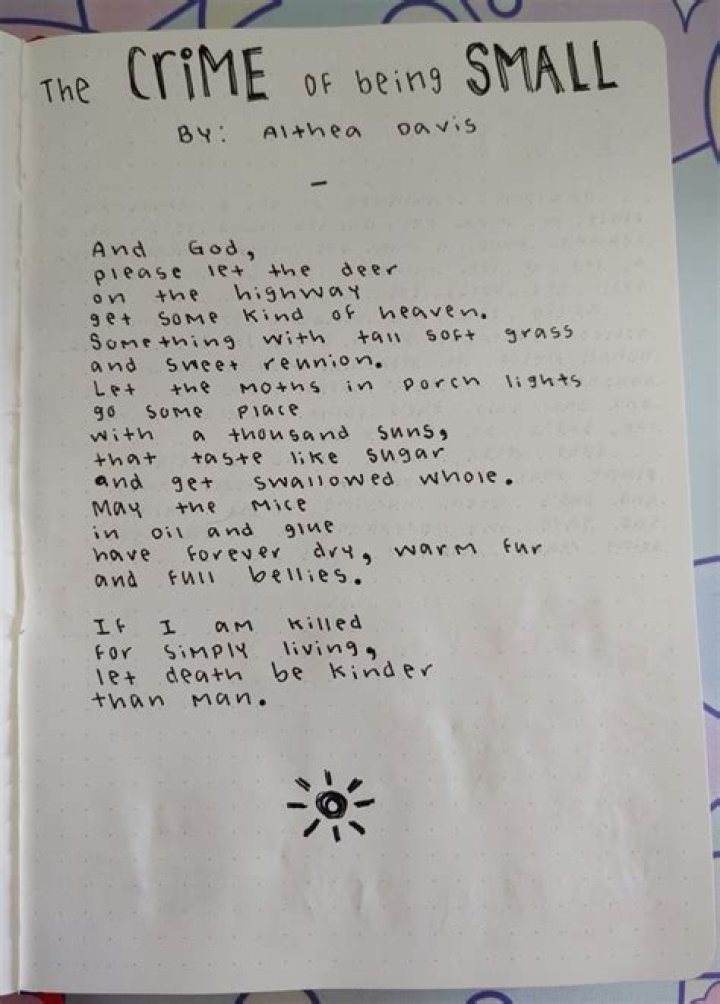
In a world that often equates height with power, authority, and even attractiveness, being small can feel like a crime. Society tends to overlook the unique challenges faced by those who do not meet the conventional standards of height. From childhood to adulthood, individuals who are shorter than average often find themselves grappling with stereotypes, biases, and even discrimination. The crime of being small is not just about physical stature; it’s about the societal perceptions and limitations that accompany it.
Heightism, a term used to describe discrimination based on height, is a prevalent issue that affects many. Those who are smaller in stature frequently face assumptions about their capabilities, intelligence, and even their confidence levels. This article aims to shed light on the various dimensions of this crime, exploring personal stories, societal implications, and the psychological toll it can take on individuals. It’s essential to unpack these narratives to understand how deeply embedded these perceptions are in our culture.
In addition to the social and psychological ramifications, the crime of being small can impact various aspects of life, including relationships, career opportunities, and even mental health. Often, those who are shorter may feel the need to overcompensate in other areas, striving for excellence to counteract the biases they encounter. Through this article, we will delve into real-life examples, expert opinions, and ways to combat the negative stereotypes associated with being small.
What are the Personal Stories Behind the Crime of Being Small?
When discussing the crime of being small, personal narratives can provide powerful insights. Many individuals share experiences of being bullied or marginalized due to their height. These stories often reveal the emotional scars left by such treatment and the resilience required to overcome them.
Who are Some Notable Figures that Have Faced Height Discrimination?
Many celebrities and public figures have openly discussed their struggles with height and the biases they’ve faced. Some notable examples include:
- Kevin Hart - A successful comedian and actor who stands at 5’4”.
- Peter Dinklage - Known for his role in "Game of Thrones," he is 4’5” and has often spoken out against stereotypes.
- Daniel Radcliffe - The "Harry Potter" star, who is 5’5”, has shared his experiences with heightism in the film industry.
How Does Heightism Impact Personal Relationships?
The crime of being small can extend into personal relationships, affecting dating and friendships. Individuals may feel insecure about their height, leading to challenges in forming intimate connections. Society often places a higher value on taller individuals, making it difficult for those who are shorter to feel valued in romantic situations.
What Psychological Effects Does Height Discrimination Have?
Research shows that height discrimination can lead to various psychological challenges. Shorter individuals may experience:
- Low self-esteem - Constantly feeling judged can erode confidence.
- Social anxiety - The fear of being ridiculed can lead to withdrawal from social situations.
- Imposter syndrome - Shorter individuals may feel they need to prove themselves more than their taller counterparts.
Can the Crime of Being Small Affect Career Opportunities?
Height can also play a significant role in professional settings. Studies indicate that taller individuals often have advantages in job interviews, promotions, and leadership roles. The perception of height as an indicator of authority can hinder career advancement for those who are shorter. Additionally, it can perpetuate a cycle of self-doubt and anxiety in professional environments.
How Can Society Combat the Crime of Being Small?
To address the crime of being small, society must actively work to dismantle the stereotypes that perpetuate heightism. Here are a few ways to promote equality:
- Education - Raising awareness about height discrimination in schools and workplaces.
- Representation - Encouraging diverse portrayals of individuals of all heights in media.
- Support - Creating support groups for those who face height-related challenges.
What Are Some Strategies for Individuals Facing Height Discrimination?
For those who feel the weight of the crime of being small, developing coping strategies is essential. Some effective approaches include:
- Building a strong support network of friends and family.
- Engaging in activities that boost confidence, such as public speaking or sports.
- Focusing on personal strengths and talents that outweigh physical stature.
Can Height Be Changed? What Are the Myths?
With advancements in medicine and technology, many wonder if height can be altered. However, most methods are invasive and come with significant risks. Myths surrounding height increase often lead individuals to pursue unrealistic solutions, which can be detrimental to mental and physical health.
Conclusion: Embracing Diversity in Height
The crime of being small is a reflection of societal biases that need to be addressed. By acknowledging the challenges faced by shorter individuals and working towards inclusivity, we can create a more equitable world. Embracing diversity in height is not just about acceptance; it’s about recognizing the unique contributions that every individual has to offer, regardless of their stature.
Discovering The Enigmatic World Of Ines Roml
I Did A Thing: A Journey Of Self-Discovery And Bold Decisions
Unveiling The Mystery Of Jordan Beckham's Fingering Techniques