Unraveling The 710 Freeway Flood: A Community's Challenge
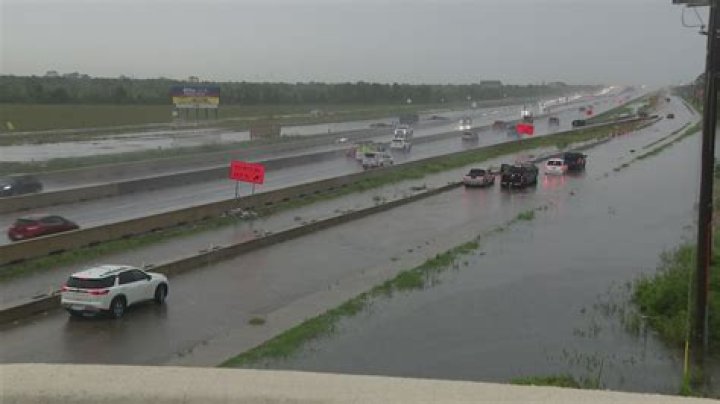
The 710 freeway flood has become a significant event that captured the attention and concern of local residents and authorities alike. With its sudden onset and impact on daily commutes, the flood raised questions about infrastructure, emergency response, and community preparedness. As heavy rains fell on Southern California, the floodwaters surged, transforming the freeway into a torrent that disrupted normal life and posed serious risks to safety. Understanding the causes and effects of such flooding is crucial for preventing future occurrences and ensuring the well-being of the community.
The 710 freeway, a vital transportation corridor in Los Angeles County, connects various neighborhoods and serves thousands of commuters daily. However, the flood highlighted the vulnerabilities in the region's infrastructure that need addressing. As residents witnessed the chaos unfold, many were left wondering how such a disaster could happen in a heavily developed area. The aftermath of the flood has sparked conversations about urban planning, climate change, and the need for better drainage systems to handle extreme weather events.
In this article, we will delve into the details surrounding the 710 freeway flood, exploring its causes, effects, and the lessons learned from this significant event. We will also address the community's response and the steps being taken to improve infrastructure resilience, ensuring that residents are better prepared for future flooding situations.
What Were the Causes of the 710 Freeway Flood?
The 710 freeway flood can be attributed to a combination of factors that came together during a particularly intense rainstorm. Understanding these causes is essential for developing effective flood prevention strategies.
- Heavy Rainfall: The region experienced an unusually high amount of rainfall over a short period, overwhelming existing drainage systems.
- Urban Development: Increased development in the surrounding areas has led to more impervious surfaces, reducing the land's natural ability to absorb water.
- Poor Drainage Infrastructure: Many of the drainage systems in place were not designed to handle such extreme weather, leading to backups and flooding.
How Did the 710 Freeway Flood Affect Local Residents?
The impact of the 710 freeway flood on local residents was significant and varied. As floodwaters rose, many faced disruptions to their daily lives and faced challenges in navigating the aftermath.
What were the Immediate Consequences of the Flood?
In the immediate aftermath of the flood, residents encountered several challenges:
- Travel Disruptions: Commuters faced significant delays and detours due to closed sections of the freeway.
- Property Damage: Some residents experienced flooding in their homes and businesses, leading to costly repairs.
- Emergency Services Strain: Local emergency services were overwhelmed as they responded to numerous calls for assistance and rescue.
What Long-term Effects Did the Flood Have on the Community?
While the immediate effects of the 710 freeway flood were evident, the long-term implications for the community are equally important to consider.
- Infrastructure Improvements: The flood prompted local authorities to reevaluate and improve drainage systems and road infrastructure.
- Community Awareness: Residents became more aware of the potential for flooding and the importance of emergency preparedness.
- Policy Changes: The event led to discussions about urban planning policies aimed at mitigating the impacts of extreme weather events.
How Did Authorities Respond to the 710 Freeway Flood?
In response to the flooding, local authorities took several measures to address the immediate crisis and plan for the future.
What Emergency Measures Were Implemented?
During the flood, emergency services deployed various strategies to ensure the safety of residents:
- Road Closures: Authorities closed affected sections of the freeway to protect motorists and allow for rescue operations.
- Evacuation Centers: Temporary shelters were set up for residents displaced from their homes due to flooding.
- Public Communication: Local agencies utilized social media and public announcements to keep residents informed about conditions and safety measures.
What Long-term Infrastructure Plans Were Proposed?
In the wake of the flood, city planners and engineers proposed several long-term projects to prevent future flooding:
- Enhanced Drainage Systems: Upgrading and expanding existing drainage systems to better handle heavy rainfall.
- Green Infrastructure: Implementing green spaces and permeable surfaces to improve water absorption in urban areas.
- Community Engagement: Involving residents in planning processes to ensure their needs and concerns are addressed.
What Lessons Can We Learn from the 710 Freeway Flood?
The 710 freeway flood serves as a reminder of the importance of preparedness and resilience in the face of natural disasters. Several key lessons can be drawn from this event:
- Invest in Infrastructure: Communities must prioritize investments in infrastructure to withstand extreme weather events.
- Promote Awareness: Public education campaigns can help residents understand the risks and prepare for emergencies.
- Encourage Collaboration: Collaboration between government agencies, community organizations, and residents is essential for effective disaster response and planning.
How Can Residents Prepare for Future Flooding Events?
While authorities play a crucial role in managing flood risks, individual residents can also take steps to prepare for potential flooding:
- Create an Emergency Plan: Households should have a plan in place for emergencies, including evacuation routes and communication methods.
- Stay Informed: Keep updated on weather forecasts and local advisories to anticipate potential flooding.
- Invest in Home Safety: Consider making home improvements, such as installing sump pumps or flood barriers, to protect against flooding.
Conclusion: Moving Forward After the 710 Freeway Flood
The 710 freeway flood was a wake-up call for the community, highlighting the vulnerabilities in urban infrastructure and the importance of preparedness. As residents and authorities reflect on the lessons learned, efforts to enhance flood resilience and improve emergency response capabilities will be essential. By working together, the community can ensure that it is better equipped to face future challenges and protect its residents from the impacts of flooding.
Unveiling The Wonders Of Andara Reflexology Center: A Comprehensive Review
Bigger SSBBW: Embracing The Beauty Of Curves
Unveiling The Mystery Of 43verrnylah Vid Twitter Vid