Understanding The Unique Traits Of Your Cat's Personality Paw
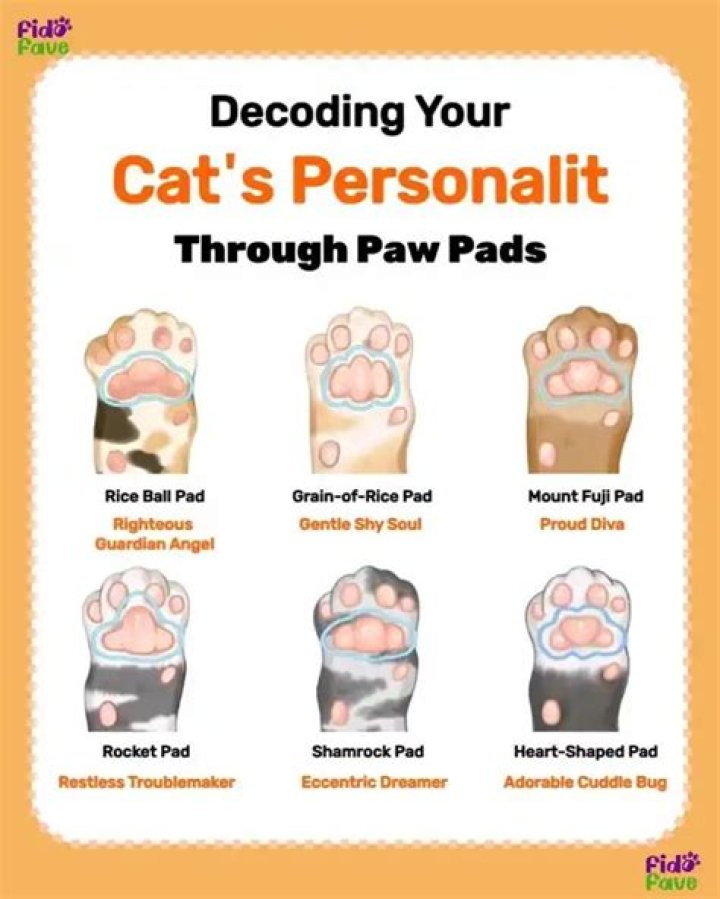
Every cat owner knows that their furry friend is more than just a pet; they have their own distinct personalities that shine through in various ways. The concept of "cat personality paw" encapsulates the idea that a cat's temperament and behaviors can be understood through their physical attributes, particularly their paws. This article will explore how the personality traits of cats manifest in their paws and how these characteristics can help you better understand and bond with your feline companion.
As pet enthusiasts, we often find ourselves pondering the question: what makes our cats tick? Their quirks and behaviors can sometimes leave us scratching our heads. By examining the fascinating world of cat personality paws, we can gain insight into their moods, preferences, and even their health. With a little attention to detail, we can learn to decode the messages our cats are sending us through their paw-related actions.
From the way they knead, scratch, or play, the paws of a cat tell a story about their personality. Understanding these behaviors can enhance our relationship with them and contribute to their overall well-being. Join us as we delve deeper into the intriguing connection between a cat's personality and their paws, exploring the nuances of their behaviors and what they reveal about our beloved companions.
What Do Cats’ Paws Reveal About Their Personality?
Cats are incredibly expressive animals, and their paws are often the windows to their souls. The way a cat uses its paws can indicate various personality traits. For instance, a cat that loves to knead and purr may be more affectionate and relaxed, while a cat that frequently scratches furniture or toys might be more playful or even a little anxious. Understanding these behaviors can help you provide a more nurturing environment for your feline friend.
How Can You Interpret Your Cat's Paw Behavior?
Interpreting your cat's paw behavior requires keen observation. Here are some common paw-related behaviors and what they might indicate:
- Kneading: Often referred to as "making biscuits," this behavior typically signifies comfort and affection.
- Scratching: This is a natural instinct for cats that helps them mark territory and keep their claws healthy. It can also indicate boredom or a need for stimulation.
- Pawing at Objects: If your cat frequently paws at toys or objects, it may be an indication of curiosity and playfulness.
Do Different Breeds Have Different Paw Personalities?
Indeed, different cat breeds often exhibit unique personality traits. For instance, Siamese cats are known for their vocal and affectionate nature, which can extend to their paw behaviors. In contrast, Maine Coons tend to be more laid-back and may display less overt paw activity. Observing your cat's breed characteristics can offer clues about their paw-related behaviors and overall personality.
Can a Cat's Paw Size Indicate Its Personality?
While it may not be a definitive factor, some cat owners believe that paw size can correlate with personality traits. For example, larger paws may suggest a more laid-back or confident personality, while smaller paws could indicate a more cautious or shy demeanor. However, it’s essential to remember that personality is complex and influenced by various factors beyond just physical attributes.
What Does a Cat's Paw Position Say About Their Mood?
The position of a cat's paws can provide insight into their mood. Here are some key paw positions and their meanings:
- Paws tucked under: Indicates relaxation or contentment.
- Paws stretched out: May suggest playfulness or a desire to engage.
- Paws raised: Could signify a defensive stance or an impending action, such as a playful pounce.
How Do Cats Use Their Paws for Communication?
Cats are masters of non-verbal communication, and their paws play an essential role in this process. They use their paws to express a range of emotions, from affection to annoyance. For instance, a cat that gently pats you with its paw is likely seeking attention or affection, while a cat that swats may be feeling threatened or annoyed. Paying attention to these signals can help strengthen your bond with your feline friend.
What Can You Do to Enhance Your Cat's Paw Health?
Maintaining your cat's paw health is crucial for their overall well-being and happiness. Here are some tips to ensure their paws remain in good condition:
- Regular Nail Trimming: Keep your cat's claws trimmed to prevent overgrowth and discomfort.
- Paw Cleaning: Regularly check and clean your cat's paws, especially after outdoor excursions, to prevent dirt and debris build-up.
- Provide Scratching Posts: Encourage healthy scratching behavior by providing appropriate scratching surfaces.
Can You Train Your Cat to Modify Paw Behavior?
Yes, you can train your cat to modify certain paw behaviors, such as inappropriate scratching. Positive reinforcement techniques can be effective in encouraging desirable behaviors. For instance, rewarding your cat with treats or affection when they use their scratching post can help reinforce this behavior while deterring unwanted scratching on furniture.
Conclusion: Embracing the Unique Personality of Your Cat's Paws
Understanding the concept of cat personality paw is essential for fostering a strong bond with your feline companion. By observing and interpreting their paw-related behaviors, you can gain valuable insights into their personality and mood. Furthermore, maintaining their paw health and encouraging positive behaviors will contribute to a happy and well-adjusted cat. Embrace the unique traits of your cat's paws, and enjoy the rewarding journey of being a cat owner.
Unveiling The Life Of Betty Hagan: A Journey Of Resilience And Passion
Discover The Allure Of The Aupen Nirvana Bag: A Perfect Blend Of Functionality And Style
Traveling Troubles: The Life Of An Irritated Traveler